

Wednesday, 1 February, 2012
The Housing Defects Act of 1984 is a Parliamentary legislation that allows grants to be given to unsuspected buyers of houses built between 1950′s and 1960′s. Houses built during this time were generally poorly constructed and have lots of structural issues. Dwellings and other building types are built following a set of standards and rules. [...]
Monday, 30 January, 2012
Non-traditional buildings were mainly built during the post World War2 period in the United Kingdom. This type of construction is mainly of four categories: Pre Cast Concrete, In Situ Concrete, Timber Frame and Steel Frame. The Pre Cast and the In Situ concrete system comes under the heading of Concrete Panel System. Sometimes these different [...]
Wednesday, 25 January, 2012
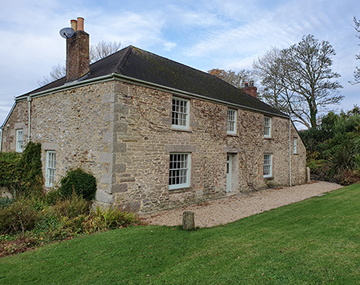
Traditional construction is one of the methods used to build houses. It is characterized by structures such as cob walls, stone walls, cavity walls, non cavity walls, thatch roofs, timber frame walls, natural slate covered roofs, scantle roofs, random diminishing natural rag slate, manufactured slate, asbestos slates, cement tiles, clay tiles, rafter and purlin structures, [...]
Monday, 23 January, 2012
PLANNING is the managerial procedure of maintaining and creating a plan; and the psychosomatic progression of philosophy about the actions essential to generate a preferred objective on some level. It integrates predicting of developments with the research of scenarios of how to act in response to them. It aids the administration to center, clarify and [...]
Wednesday, 18 January, 2012
Extreme weather conditions have become rampant lately in various areas in the UK. Heavy rains seem to be on the rise. The flooding seems to be the worry for people who own property or buildings in flood prone areas especially those who have no buildings insurance for flooding. Flooding is cause for concern to many [...]
Monday, 16 January, 2012
The role of architecture in urban design is bound to get more pronounced in time as more urban centers develop. Indeed, architecture already plays a significant role in defining the urban landscape. This is not a new phenomenon. Since the earliest civilizations, architecture played a key role in defining the character and socioeconomic life of [...]
Wednesday, 11 January, 2012
A tax is referred to a financial load laid upon owners of property or individuals to support a government. It is not a charitable donation or payment but a contribution enforced pursuant to the law of a given country. It is a payment enforced by a government whether in the name of toll, excise, subsidy, [...]
Saturday, 26 November, 2011
Condensation is a very serious building problem. Ingredients for this type of dampness are lack of adequate ventilation, creation of water vapour within the property and inadequate space heating. The warmer the air becomes, the more water vapour it can ‘hold’. When air cools down due to reduction in heating or seasonal factors it can [...]
Saturday, 26 November, 2011
Wet rot decay is very common in older buildings as timbers are often built into damp external walls. Any timbers with more than 20% moisture content will be susceptible to wet and/or dry rot decay. Dry rot decay is a particularly aggressive fungi attack and can travel through masonry. This is difficult to treat but [...]
Saturday, 26 November, 2011
There are many different types of wood boring insects but the most common of all is the furniture beetle, which is easily identified and treated. However, there are varieties of beetle that eat timbers from the inside and these will cause structural damage and will be more difficult to identify and treat. You should employ [...]